
Skin Clinic
Whether you’ve noticed a new or changing spot, have concerns about a particular mole, or simply want the reassurance of a routine skin check, our experienced team is here to help.
EARLY DETECTION PERSONALISED CARE

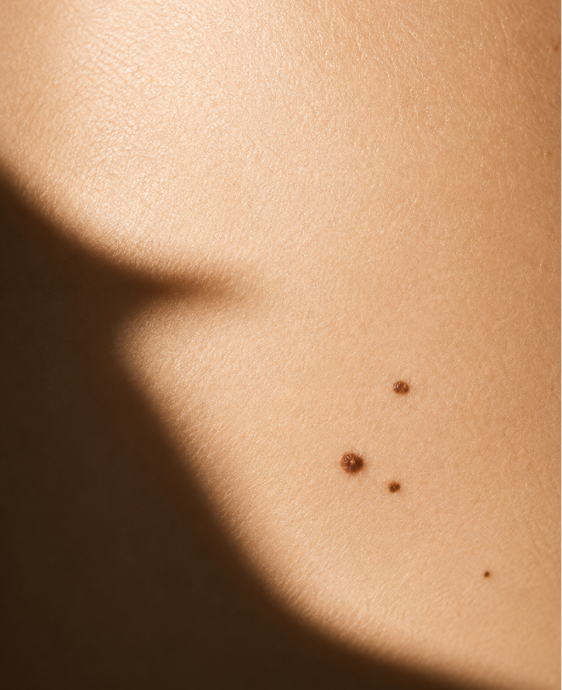
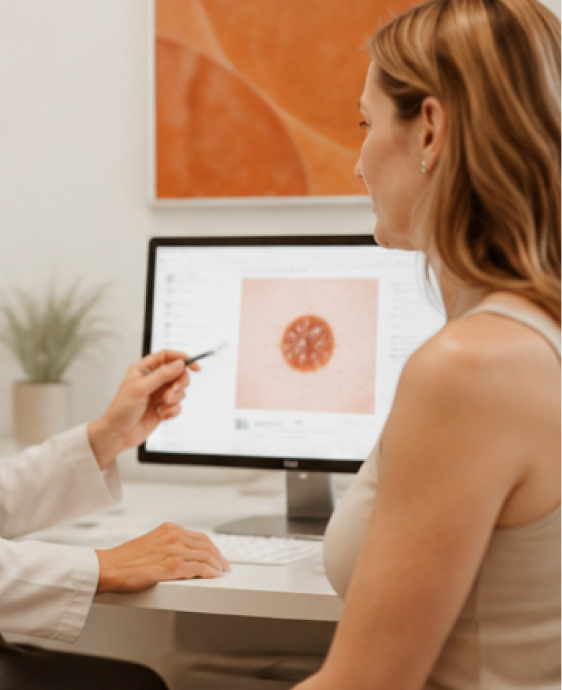
Looking after your skin starts with knowing what's normal.
Australia has one of the highest rates of skin cancer in the world, making regular skin checks an important part of looking after your long-term health.
Many skin cancers can be treated successfully when detected early. Regular skin examinations can also provide reassurance when suspicious spots turn out to be harmless.
Whether you’ve noticed a change or simply want peace of mind, a skin check is a simple step that can make a significant difference.

Know Your Skin
Understanding what is normal for you can make changes easier to recognise.

Early Detection
Identifying concerning changes early can support timely assessment and treatment.

Expert Assessment
Your concerns are assessed by experienced healthcare professionals.

Peace of Mind
A skin check can provide reassurance when a suspicious spot is found to be harmless.
- Spot Checks & Mole Assessment
- Dermoscopy
- Skin Biopsies
- Skin Cancer Diagnosis
- Treatment Planning
- Skin Cancer Surgery
- Advanced Skin Cancer Care
- Follow-up & Skin Surveillance
It may be time for a skin check.
You may benefit from a skin check if you have noticed a change or have concerns about your skin.
A New or Changing Mole
A spot that won't heal
A lesion that
bleeds or crusts
A change in colour or appearance
A personal or family history of skin cancer
Significant sun exposure
Multiple moles
A concern about a particular spot
You haven't had a skin check for some time
Comprehensive skin cancer care.
Whether you’re booking your first skin check or require ongoing treatment, our experienced team provides comprehensive skin cancer care at every stage of your journey.
01
Know your skin. Catch changes early.
A comprehensive skin check provides an opportunity to assess your skin for suspicious changes and identify areas that may require further investigation.
Whether you have a specific concern or simply want peace of mind, our healthcare team will assess your skin and explain any recommended next steps.
PRICE
$2,300
02
SPOT CHECKS & MOLE ASSESSMENT
Have a particular spot or mole that concerns you? Our team can assess changes in appearance and determine whether further investigation is recommended.
03
DERMOSCOPY
Dermoscopy can assist clinicians in examining skin lesions more closely as part of a skin assessment.
04
SKIN BIOPSIES
Where clinically appropriate, a skin biopsy may be recommended to help investigate a suspicious lesion.
05
SKIN CANCER DIAGNOSIS
If a concerning lesion requires further investigation, your clinician will explain the next steps and help guide your care.
06
TREATMENT PLANNING
If treatment is required, your clinician will explain your options and recommend the most appropriate approach for your circumstances.
07
SKIN CANCER SURGERY
Surgical removal of skin cancers may be recommended where clinically appropriate.
08
ADVANCED SKIN CANCER CARE
More complex procedures, including skin grafts and local flap repairs, may be considered where clinically appropriate.
09
FOLLOW-UP & SKIN SURVEILLANCE
Ongoing follow-up may be recommended to support your continued skin health and monitor your individual needs.
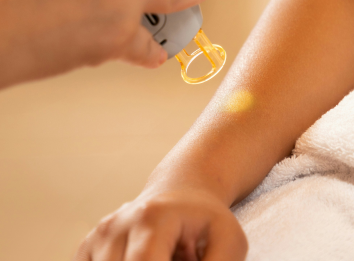
When more advanced treatment is needed.
While many skin cancers can be treated through relatively straightforward procedures, some require more extensive surgical treatment.
Health Hub Springfield Lakes provides comprehensive skin cancer treatment, including complex surgical procedures such as skin grafts and local flap repairs where clinically appropriate.
Our experienced team will discuss your diagnosis, explain your treatment options and develop a personalised plan designed to achieve the best possible outcome.
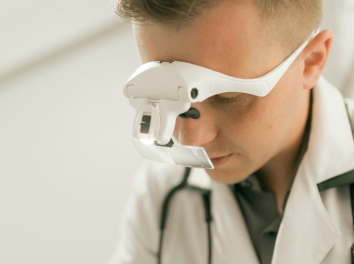
When more advanced treatment is needed.
While many skin cancers can be treated through relatively straightforward procedures, some require more extensive surgical treatment.
Health Hub Springfield Lakes provides comprehensive skin cancer treatment, including complex surgical procedures such as skin grafts and local flap repairs where clinically appropriate.
Our experienced team will discuss your diagnosis, explain your treatment options and develop a personalised plan designed to achieve the best possible outcome.
Your appointment.
From your first consultation through to treatment and follow-up, we’ll guide you through each step of your skin cancer care journey, so you know what to expect and feel supported along the way.
STEP 01
CONSULTATION
We’ll discuss your concerns, medical history and examine the area of interest.
STEP 02
ASSESSMENT
Your clinician will carefully assess your skin and determine whether further investigation is recommended.
STEP 03
DIAGNOSIS & PLANNING
If treatment is required, we’ll explain your options and recommend the most appropriate approach.
STEP 04
TREATMENT & FOLLOW-UP
Where appropriate, treatment may be performed, or we’ll arrange the next stage of your care and ongoing follow-up.
Fees
Treatment costs vary depending on the consultation, procedure and complexity of care required. Current consultation fees and procedure pricing are listed below. If you have any questions about pricing, please contact our team.
SERVICES
Weekday Price
Weekend Price
- Skin biopsy per lesion no Medicare rebate / privately billed
Weekday Price
$250 per lesion
Weekend Price
$250 per lesion
- Wedge Resection of the Ingrown Toenail Medicare item: 47915 Medicare rebate: $172.50
Weekday Price
$500
Weekend Price
$500
- Mole Scanning Rebate item 36: $87.10 Rebate item 5040: $100.55
Weekday Price
$400
Weekend Price
$450
- Mole Mapping Rebate item 36: $87.10 Rebate item 5040: $100.55
Weekday Price
$450
Weekend Price
$500
Frequently Asked Questions
Do I need a referral?
You generally do not need a referral to book a skin check at Health Hub. If further specialist assessment or treatment is recommended, your doctor can explain the appropriate next steps.
How often should I have a skin check?
How often you should have a skin check depends on your individual risk factors, including your skin type, sun exposure, number of moles and any personal or family history of skin cancer. Your doctor can recommend an appropriate screening schedule for you.
What happens during a skin check?
Your doctor will ask about your skin history and any spots or changes you are concerned about, then examine your skin for suspicious lesions. A dermatoscope may be used to look more closely at individual moles or spots. If anything needs further investigation, your doctor will discuss the next step with you.
Do you remove suspicious moles?
Where clinically appropriate, suspicious lesions may be biopsied or removed at Health Hub. In some circumstances, your doctor may recommend referral for further assessment or treatment instead.
What happens if skin cancer is found?
If testing confirms skin cancer, your doctor will discuss the result and appropriate treatment options with you. Depending on the type, location and individual circumstances, treatment may be provided at Health Hub or referral to another specialist may be recommended.
Will I need surgery?
Not every suspicious lesion or skin cancer requires the same treatment. Some may require surgical removal, while other treatment or monitoring options may be appropriate depending on the diagnosis. Your doctor will recommend the most suitable approach for your circumstances.
Will treatment leave a scar?
Any procedure that cuts or removes skin can leave a scar. The appearance of a scar varies depending on the type and location of the procedure, the size of the area treated and individual healing. Your doctor can discuss what to expect before treatment.
How long does a skin check take?
Appointment length can vary depending on your individual circumstances and whether particular spots require closer examination. Our team can advise you which appointment type to book if you are unsure.
Should I remove clothing during the examination?
A thorough skin check may require examination of skin across different areas of the body. You may be asked to remove some clothing while keeping your underwear on, and your privacy will be respected throughout the examination. Your doctor will explain what is required and you can discuss any concerns before the examination begins.
What should I bring to my appointment?
Please bring your Medicare card, details of any medications you take and any relevant medical information. If there are particular moles or skin changes you are concerned about, it may also be helpful to mention when you first noticed them or any changes you have observed.
READY TO TAKE THE NEXT STEP?